
(Updated 2/5/2026)
Z-Image Edit: 알리바바 6B급 효율적인 이미지 편집 모델
Author: z-image.me Team•5 min read
Z-Image Edit: 알리바바 6B급 효율적인 이미지 편집 모델

개요:
Z-Image Edit은 알리바바 통이 랩토리(Tongyi-MAI)에서 개발한 Z-Image 패밀리의 전문 편집 변종입니다. 이 모델은 60억 파라미터의 S3-DiT(확장 가능 단일 스트림 확산 Transformer) 아키텍처를 기반으로 하며, "큰 파라미터가 곧 정의"라는 패러다임에 도전합니다. 이 모델은 전문적인 "전방위 사전 학습(Omni-pre-training)"을 통해 뛰어난 명령 따르 능력을 구현했으며, 매우 높은 추론 효율성을 유지하면서 복잡한 이미지 편집과 중영 이중 언어 텍스트 렌더링을 완료할 수 있습니다.
핵심 정보 요약 및 정리
1. 기술 핵심 요소
- 모델 규모: 6B(60억) 파라미터 양으로, 경량화 고성능 모델로 포지셔닝됩니다.
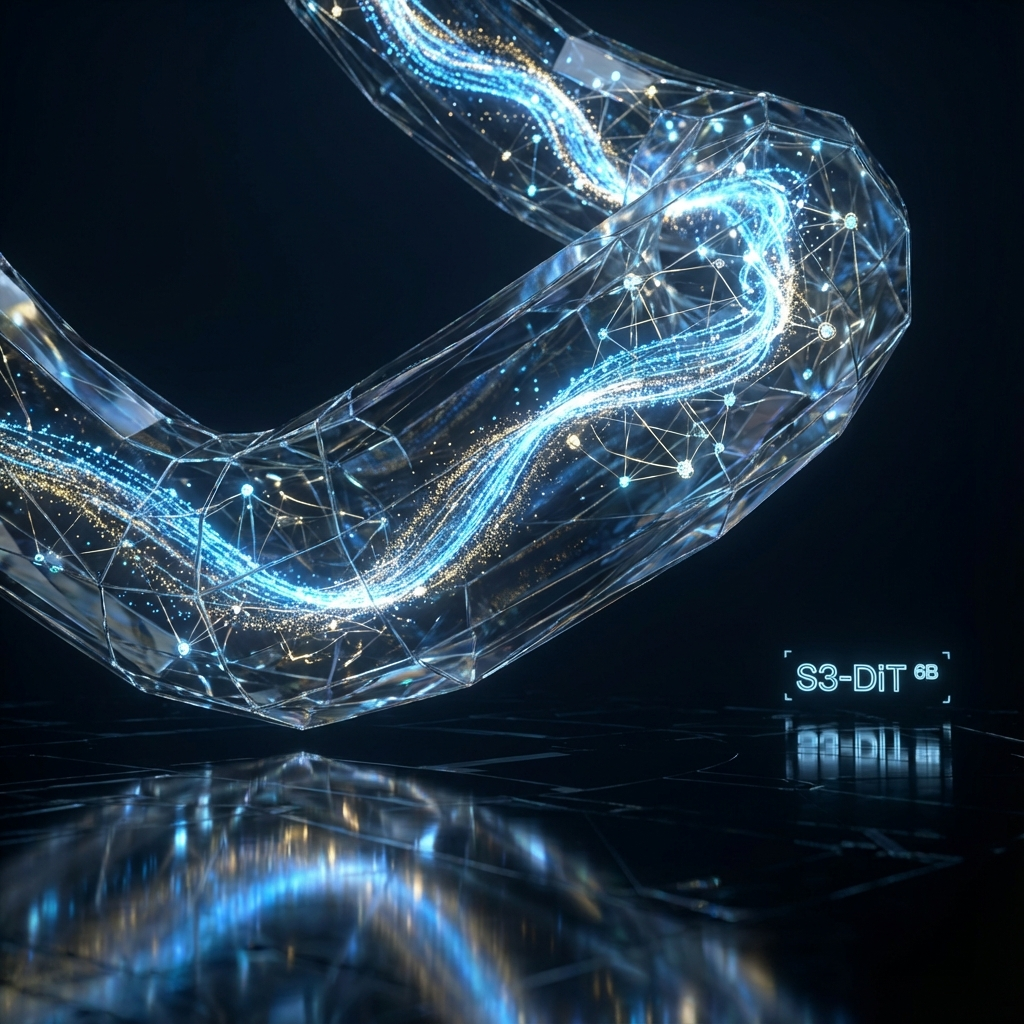
- 아키텍처 혁신: S3-DiT(확장 가능 단일 스트림 확산 Transformer)를 채택하여 가중치 공유를 통해 크로스 모달 정렬 효율성을 향상시킵니다.
- 학습 전략: Omni-pre-training을 통해 명령 따르 능력을 강화하여 복잡한 편집 명령을 정확하게 이해할 수 있도록 합니다.
- 특별 능력: 고품질의 이미지 로컬 편집, 스타일 이전 및 중영 이중 언어 텍스트 렌더링을 지원합니다.
2. 편집 기능 상세 설명
- 분야 선도적인 명령 편집 능력: Z-Image-Edit은 단순한 이미지 생성(i2i)을 넘어, 정교한 자연어 명령을 이해하고 이미지에 대한 목적에 맞는 수정을 수행하며 심각한 의미 편차(Drift)가 발생하지 않습니다.
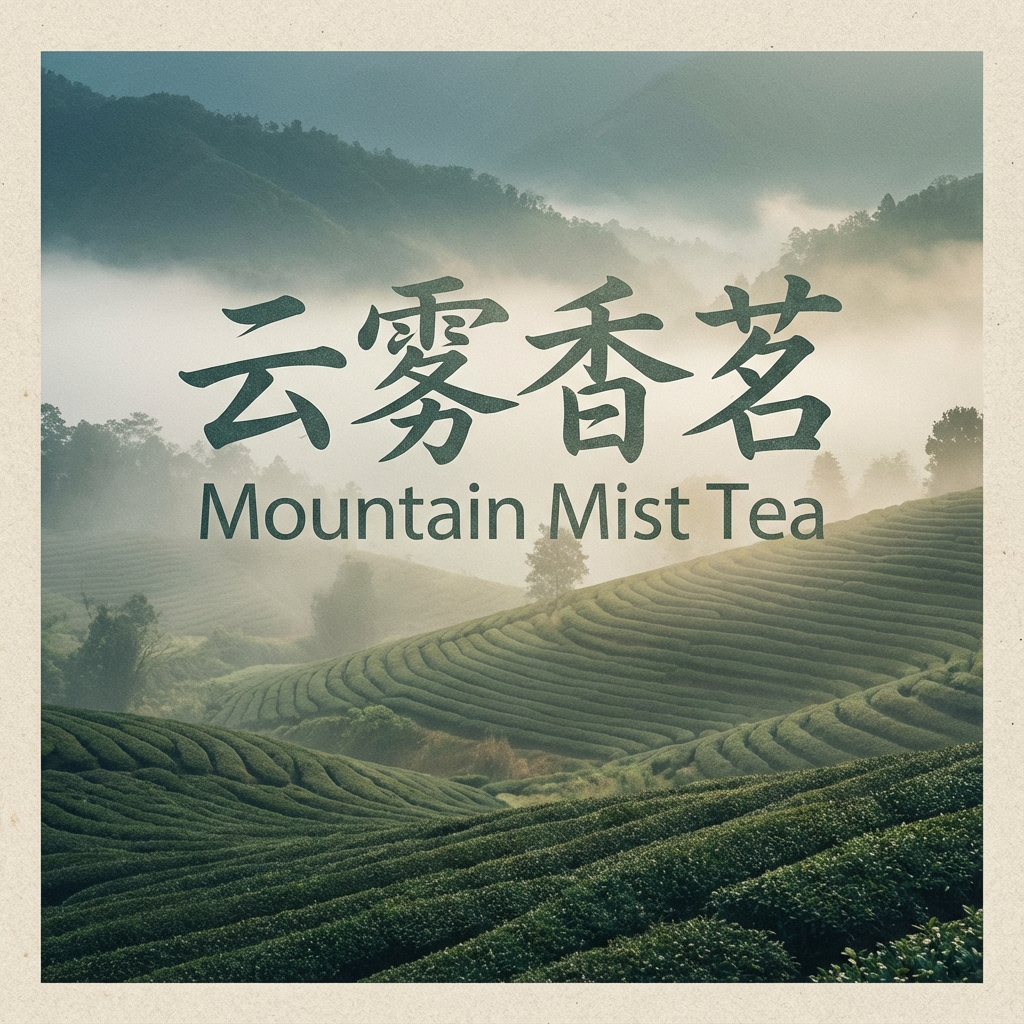
- 양방향 텍스트 렌더링: 중영 이중 언어 텍스트의 정확한 삽입 및 편집을 지원하며, 오픈소스 모델에서 흔히 발생하는 텍스트 왜곡 문제를 해결합니다.
- 로컬 컨트롤: 어텐션 컨트롤 기술을 통해 대상 객체를 수정하는 동안 배경과 텍스처 세부 사항을 완벽하게 유지합니다.
- 제로샘플 솔루션: 특정 작업에 대한 미세 조정 없이 적용할 수 있어 유연성이 매우 높습니다.
3. 하드웨어 성능
- 소비자급 하드웨어의 "혜택": 이 모델의 가장 큰 장점은 일반 개발자와 취미가들에게 친화적이라는 점입니다. 비싼 A100/H800 클러스터가 필요하지 않으며, 일반 가정용 컴퓨터에서도 원활하게 실행할 수 있습니다.
- VRAM 사용량: 표준 FP16 버전은 약 12GB, 양자화 버전(FP8/GGUF)은 6-8GB VRAM만 필요합니다.
- 추론 속도: Turbo 버전은 8-9단계로 이미지 생성을 지원하며, 하초 단위의 피드백으로 인터랙티브 편집 경험을 크게 향상시킵니다.
4. 객관적 평가: 장점과 한계
장점 분석 (Pros)
- 가성비: 동일 규모 모델에서 최고 수준(SOTA)의 성능을 보이며, 일부 작업에서는 더 큰 파라미터를 가진 모델과도 견줄 수 있습니다.
- 현지화 능력: 최고 수준의 중국어 렌더링 능력과 깊은 문화 이해를 갖추어 중국어 환경에서의 창작에 더 적합합니다.
- 추론 속도: Turbo 변종은 샘플링 단계를 최적화하여 실시간 수준의 편집 작업을 지원합니다.
- 하드웨어 진입 장벽 낮음: 16GB VRAM 미만의 소비자급 그래픽 카드에서 완벽하게 실행되어 배포 비용을 크게 절감합니다.
한계와 부족점 (Cons)
- 미적 취향: 기본 출력은 때때로 명확한 "AI 감각"이나 "플라스틱 감각"을 보이며, 일반적으로 더 정교한 프롬프트로 조정이 필요합니다.
- 토큰 제한: CLIP 인코더의 제한으로 프롬프트는 512 토큰 이내로 제한되며, 긴 설명은 잘립니다.
- 기능 깊이: 네이티브 로컬 리드로잉(Inpainting)은 복잡한 시나리오에서 여전히 최적의 효과를 얻기 위해 ComfyUI와 같은 제3자 워크플로우에 의존해야 합니다.
- 생태계 성숙도: Stable Diffusion이나 Flux 시리즈에 비해 현재 커뮤니티 플러그인(Lora, ControlNet)과 미세 조정 모델은 아직 초기 단계에 있습니다.
합리적 예측: Z-Image의 미래 방향
- 모바일 엣지 측 보급: 6B의 작은 파라미터 양과 높은 효율성을 바탕으로 향후 핑둥(钉钉), 타오바오(淘宝), 져닝(剪映)과 같은 모바일 앱이나 모바일 기기에 내장될 이미지 보조 편집 엔진의 최우선 후보가 될 가능성이 높습니다.
- "AI 드로잉 아티스트"에서 "AI 디자인 어시스턴트"로 전환: 강력한 명령 따르 능력은 AI가 단순한 "원클릭 생성"에서 "정밀 협업"으로 전환될 것임을 시사합니다. 디자이너는 대화식 수정(예: "왼쪽 컵을 파란색으로 바꿔줘")을 통해 더 전문적인 생산성을 달성할 수 있습니다.
- 국산 오픈소스 생태계의 핵심 기둥: 중국어와 동양 미학에 대한 좋은 지원을 바탕으로 중국어 오픈소스 커뮤니티에서 SDXL의 일부 시장 점유율을 대체하고 Lora 창작자들의 새로운 사랑받는 모델이 될 것으로 기대됩니다.
주의: 본 글의 내용은 2025년 12월 26일에 발표된 공유 정보를 바탕으로 정리되었습니다.