
プロンプトライブラリ / Museum-Level Bee Educational Infographic

Museum-Level Bee Educational Infographic
作者:@yyyole
130301
テキストから画像へ
Nano banana pro
z-image-turbo
nano banana
nano banana pro
Please create a museum-level insect knowledge educational infographic, focusing on displaying [Bees].
Core layout:
- Center: A huge insect specimen image, occupying 60-70% of the frame
- Surrounding: Scientific annotations and fun encyclopedia information, arranged in a radial or zoned layout
- Overall: Like a beautiful specimen label in a museum glass display case
Insect specimen presentation (core requirements):
1. Physical realism: The insect specimen is directly placed flat on the paper, not a "picture within a picture"
2. Perspective: Vertical top view, with the specimen and paper on the same plane
3. Lighting: Soft natural light illuminates from above, casting delicate shadows on the paper
4. Fixation method: Fixed with insect pins (thin silver pins) realistically, pins penetrate the specimen's body, pin tips slightly piercing the paper
5. Detail texture:
- Visible real textures of the specimen: wing veins, fuzz, scales, compound eye reflections
- The specimen edges have slight thickness and three-dimensionality
- Wings may have slight translucency
- Around the pins, the paper has subtle depressions or pinholes
6. Proportion: The specimen occupies about 60-70% of the central area of the paper, leaving white space for annotations
7. Natural state: Wings spread naturally, not overly stiff, preserving the specimen's authentic texture
Annotation system design:
Using guide lines (thin lines) extending from insect body parts to the annotation text boxes
Essential labeled body parts (6-8):
1. Head Head
- Compound eyes: How many facets? How wide is the field of view?
- Antennae: What is their purpose? How many segments?
- Mouthparts: What type? What food does it eat?
2. Thorax Thorax
- Prothorax/Mesothorax/Metathorax: Their respective functions
- Wings: How many pairs? How fast is the flying speed? Special abilities?
- Legs: How many pairs? Special functions like grasping/jumping/swimming?
3. Abdomen Abdomen
- Number of segments: How many segments?
- Special organs: Light emitters/venom stings/ovipositors, etc.
- Spiracles: How does it breathe?
4. Unique structures
- The insect's most distinctive body features
- Relationship with adaptation to the environment
Content of information cards:
Each annotation includes:
- Part name (Chinese/English)
- 1-2 sentence functional description (child-friendly language)
- Fun data or trivia (marked with 🔍 or 💡 icons)
Other page elements:
Top area:
- Insect Chinese name (large title, elegant font)
- Scientific name Scientific Name (italicized Latin, subtitle)
- Order/Family affiliation (small print)
- Distribution map icon (world map + highlighted distribution area)
Bottom/side information bar:
Basic profile
- Body length: X-X mm
- Lifespan: X days/months/years
- Habitat: Forest/grassland/water, etc.
- Diet: Herbivore/carnivore/omnivore
Superpowers/Special skills
- List 2-3 coolest abilities
- Simple icons + text descriptions
Fun trivia
- 1-2 interesting facts that attract children
- Such as "Can lift 50 times its own body weight"
Life cycle
- Simplified metamorphosis diagram
- Egg → Larva → Pupa → Adult (complete metamorphosis)
- Or Egg → Nymph → Adult (incomplete metamorphosis)
*Design aesthetics:
- Paper texture:
Base paper: Cream or ivory white premium paper texture #F8F6F0
Visible fine fibers and texture of the paper
Edges may have slight wear or vintage feel (optional)
- Spatial relationship:
Specimen: Physical entity, placed flat on the paper, with real shadows
Insect pins: Silver metal texture, piercing through the specimen to fix it
Annotation text: Directly written or printed on the same paper
Guide lines: Thin lines drawn on the paper
- Color scheme:
Paper background: #F8F6F0 (cream) or #FFFEF7 (ivory)
Annotation text: #2C3E50 (ink/deep gray-blue) hand-written or printed style
Guide lines: #8B7355 (brown gray) or #696969 (charcoal gray) thin lines
Emphasis marks: #D4AF37 (bronze gold) or #8B4513 (brown)
Insect pins: Silver-gray metal luster #C0C0C0
- Font system:
Title: Handwritten style or elegant print (Garamond/Song typeface)
Scientific name: Italic handwritten or printed
Annotation text: Clear handwritten or small print
Overall feel: As if a naturalist wrote it by hand on the specimen paper
- Decorative elements:
Four corners: Simple line frames or decorative corner flowers (printed on the paper)
Ruler: Millimeter scale parallel to the specimen
Date/number: Handwritten collection information (optional)
Plant silhouette watermark: Faintly printed on the paper (optional)
Key visual points:
The entire image is "a flat specimen paper" with a real insect specimen fixed on it, surrounded by handwritten or printed scientific annotations. The viewer is as if looking down at a specimen record on a naturalist's workbench.
Layout style reference: Like opening a 19th-century naturalist's specimen book, the insect specimen is real and fixed on the paper, surrounded by handwritten or beautifully printed scientific annotations. The overall presentation is a flat, two-dimensional but physically textured aesthetic—this is not a photograph, but the coexistence of the specimen and the paper."
Key concepts:
- ❌ Don't: The specimen photo is placed in the picture
- ✅ Do: The specimen itself is on the paper, sharing the same physical plane with the text
- Like an antique specimen book page or a naturalist's work record
Image specifications:
- Ratio: 16:9 (horizontal poster) or 3:4 (vertical display board)
- Resolution: 300 DPI, suitable for A3/A2 printing
- Format: PNG high-definition, preserving details
Scientific accuracy requirements:
- Body structure proportions conform to real insect morphology
- Professional terminology is accurate
- Children's descriptions need to be scientific and lively
Please ensure the overall presentation has both the academic rigor of a museum and the visual appeal that attracts children to explore.
説明
Create a museum-level bee educational infographic using z-image, with a real insect specimen at the center and scientific annotations and fun encyclopedia information surrounding it. The design adopts a radial layout, like a beautiful specimen label in a museum glass display case.
タグ
# Specimen Paper
# Insect Education
# Bee Specimen
# Museum Design
# Educational Chart
関連プロンプト
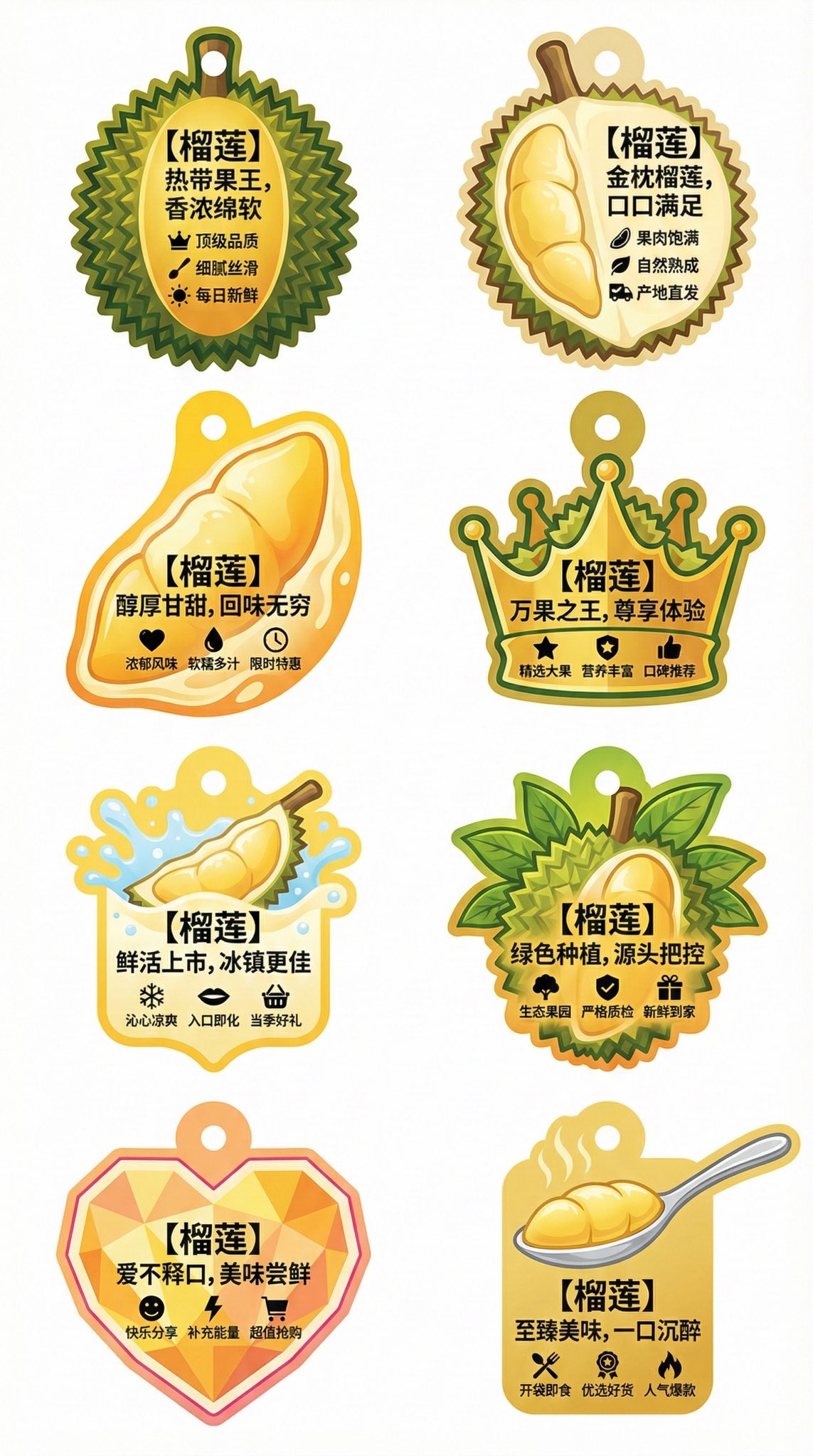
Creative Irregular-Shaped Advertising Tag Flat Design Collection for Durian

Minimalist Art Style Asparagus Encyclopedia Information Card

Professional Jewelry Design Full Process Display
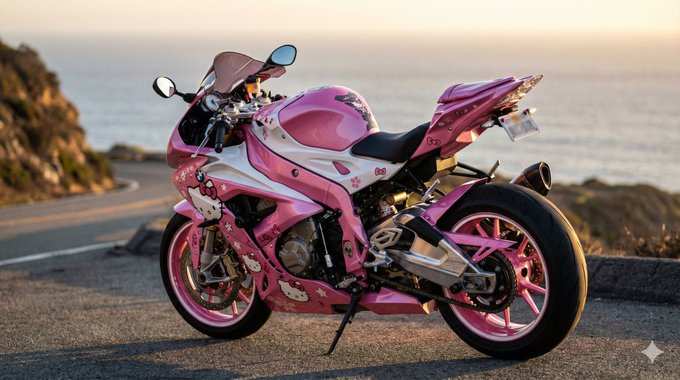
Ultra High-Definition Professional Motorcycle Helmet Paint Photography

Brand Packaging Design Display Image

Elderly-friendly Product Function Operation Guide Infographic Design
人気ツール
最も人気のあるクリエイティブツールを探索
Z-Image 編集
画像をアップロードし、一文で変化させます。
今すぐ試す
クリエイティブエンジン
一言で、AIが無限のプロンプトの創造性を提供します。
今すぐ試す
画像解析
画像をアップロードして、すぐにプロンプトを取得。
今すぐ試す
Z-Image LoRA
複数のLoRAモデルを組み合わせて、独自のAIアートワークを作成します
今すぐ試す
Z-Video
Generate creative videos from text or images with AI.
今すぐ試す
AI画像生成
テキストを即座に素晴らしい画像に変換します。
今すぐ試す
スタイルライブラリ
あなたの作品のために厳選されたアーティスティックスタイルを探索しましょう。
今すぐ試す
背景削除
AIで背景を瞬時に削除し、高精度な切り抜きを実現。
今すぐ試す
画質向上
画像を4K/8Kにアップスケールし、細部を鮮明に復元。
今すぐ試す
リフレーム
AIアウトペインティングであらゆる比率に背景を拡張。
今すぐ試す
Camera Angle
Create a new view with continuous 3D camera control.
今すぐ試す
Image Layers
Split an image into editable transparent layers.
今すぐ試す
Image Parallax
Turn one image into interactive parallax animation.
今すぐ試す
画像をASCIIに変換
ブラウザー内で画像をカスタマイズ可能なASCIIアートに変換します。
今すぐ試す
GIFをASCIIに変換
アニメーションGIFをダウンロード可能なASCIIアニメに変換します。
今すぐ試す
動画を ASCII に
MP4、WebM、MOV 動画をダウンロード可能な ASCII 動画に変換します。
今すぐ試す
動画を深度マップに変換
ブラウザ内でプライベートな深度動画をローカル生成します。
今すぐ試す